Children's Dentistry
A cavity is no big deal here. We fix it gently and mercury-free, with a tooth-colored filling that blends right into your child's smile, and a visit they actually leave happy.
It's a way to repair a cavity using a tooth-shaded resin instead of metal. We gently clean out the decay, then bond the composite in place and shape it to match, so the fix is virtually invisible.
Because composite bonds directly to the tooth, we can keep more of your child's healthy enamel than old silver fillings ever allowed. The result is a smaller, more conservative repair that protects the tooth for the long run.
Treating a cavity early matters, too. Left alone, decay keeps spreading, and a small spot that needs a simple filling today can grow into a toothache, an infection, or a bigger repair like a crown. Catching it early keeps the fix small and your child comfortable.
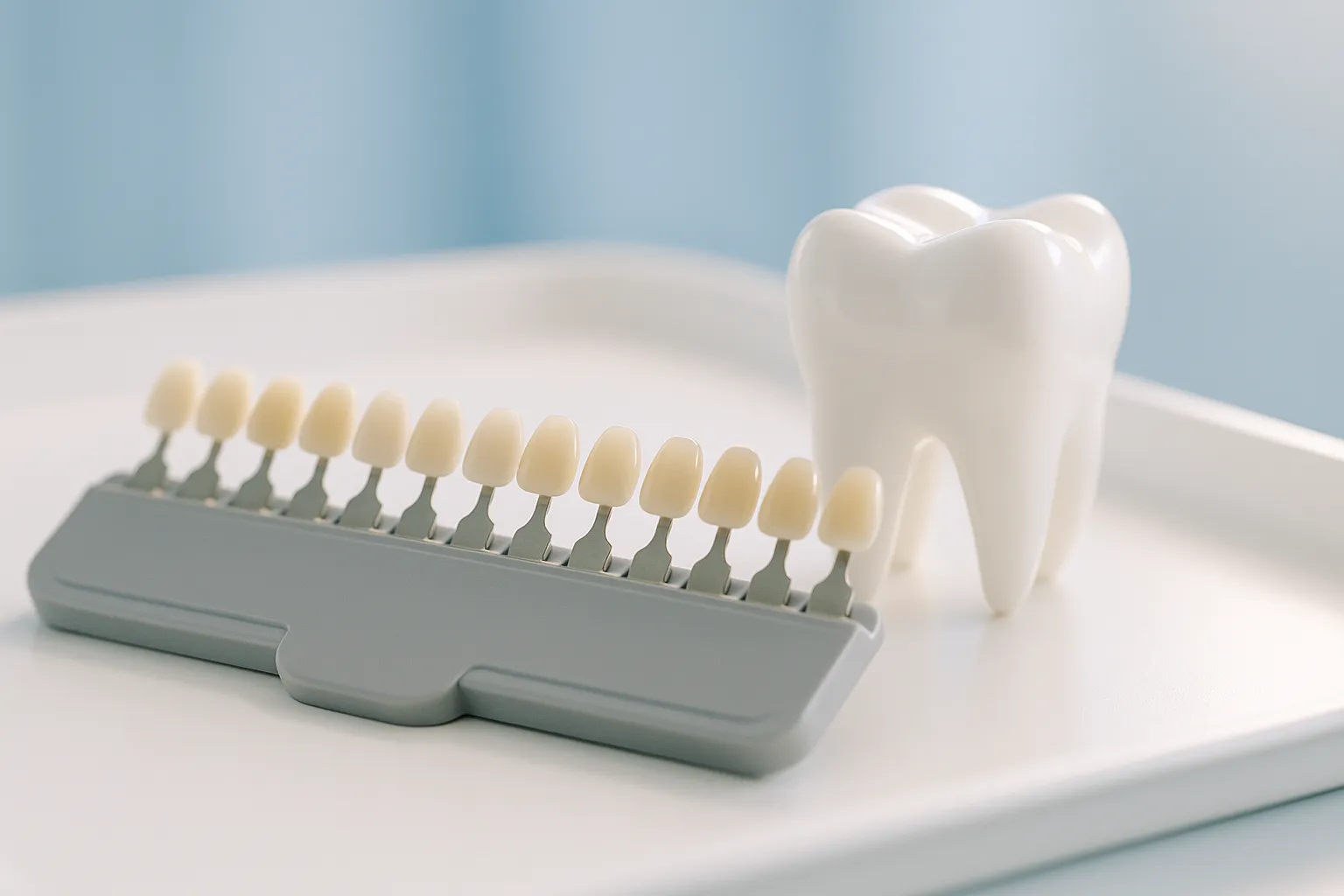
Tooth-colored composite is shaded to match, so the repair simply disappears into your child's smile.
We numb the tooth first and move at your child's pace, with laughing gas available any time it helps.
A modern, trusted material we're glad to place on growing teeth, with no metal and no mercury.
For most children with a cavity, a tooth-colored filling is the right choice. It's an especially good fit when the tooth shows when your child smiles, when the cavity is small to moderate, or when you'd prefer a natural, mercury-free repair, and it works just as well on baby teeth as on permanent ones.
The best time to treat any cavity is as soon as we spot it, while it's still small. At the visit we'll look at the specific tooth and recommend the filling that fits best.
Both materials repair a cavity well, and each has real strengths. Here's an honest look at how they compare.
Our goal is always the smallest, gentlest fix that keeps your child's tooth healthy, and a visit they'll walk out of smiling.
We explain each step in kid-friendly words, then gently numb the tooth so there's nothing to feel.
Only the decayed part is removed, keeping as much healthy tooth as we can.
Tooth-colored composite is layered in and hardened with a special light.
We match the bite, check the feel, polish it smooth, and you're done.
It shouldn't. We numb the tooth first and explain each step, so most kids are surprised by how easy it is. Your child may feel a little pressure, but no sharp pain, and laughing gas is available if it helps them relax.
Usually, yes. Baby teeth hold space for the adult teeth and help your child eat and speak, so a cavity is worth treating rather than waiting for the tooth to fall out. Left alone, decay keeps spreading and can reach the nerve or the permanent tooth forming underneath.
It depends on the size of the cavity and your insurance. We accept many plans and always review your coverage and any out-of-pocket amount before we begin, so there are no surprises. Call (801) 676-3700 for an estimate.
Sometimes. When we catch decay extremely early, a treatment called Curodont can rebuild enamel with no drill and no filling. That's one reason regular checkups matter so much.
With good brushing and regular checkups, a tooth-colored filling can last for years. We check it at every visit and let you know if it ever needs attention.
Brush and floss as normal. If we used numbing, keep your child from chewing the numb side until it wears off (about an hour) so they don't bite their cheek or lip.
Plaque removal, polishing, and decay checks every six months.
A quick, painless coat that strengthens enamel.
A protective shield on cavity-prone molars.
Full protection for a badly damaged tooth.
A gentle baby root canal that saves an infected tooth.
Holds room for the adult tooth after an early loss.
Calm, comfortable removal when a tooth can't be saved.
Stops an early cavity with no drill and no needles.
Call your office first — most pediatric dentistry are seen the same day.