Orthodontics
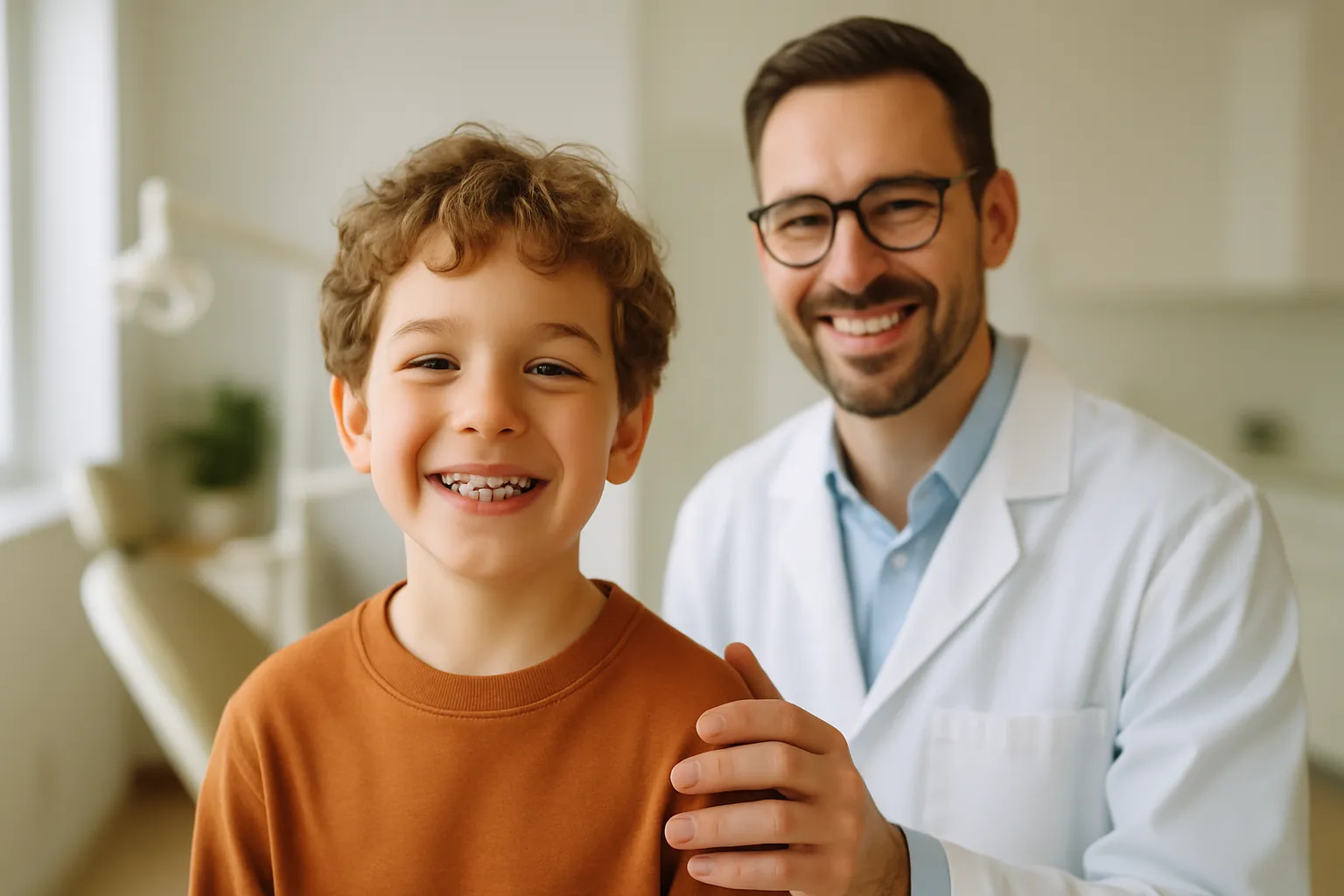
Sometimes a little guidance early makes a big difference later. Early (Phase 1) treatment works with your child's natural growth to set up a healthier smile, and often a simpler path ahead.
Early treatment is orthodontic care for younger children, often around ages 7 to 10, while the jaw is still growing. It guides jaw development, creates room for incoming teeth, and addresses problems while they're easiest to correct.
The goal is simple: make later treatment with braces shorter, simpler, or sometimes unnecessary.
We guide the jaw while it's still developing, when change comes easiest.
Early guidance can shorten, simplify, or sometimes prevent later braces.
We recommend treatment only when it genuinely benefits your child.
It starts with a simple, no-pressure look. Here's the path.
Dr. Chu checks how the jaw and adult teeth are developing.
Many kids just need monitoring at regular visits. Some benefit from acting now.
If treatment helps, we may use an appliance like a palatal expander to create room.
When the adult teeth arrive, any remaining treatment is shorter and easier.
A child's jaw is still growing, which means problems like severe crowding, crossbites, protruding front teeth, and bite-affecting habits like thumb sucking can be guided rather than forced. Wait until growth is finished, and the same corrections often take longer and demand more. Acting at the right moment is what makes early treatment so effective.
Children around ages 7 to 10 with developing bite problems are the typical candidates. Early treatment doesn't always replace braces: some children still need a later phase once their adult teeth are in, but early care often makes that phase easier. We'll only recommend treatment when it genuinely benefits your child, and if waiting is smarter, we'll simply keep watch.
An early look costs nothing but a visit, and it can save your child years of more involved treatment down the road.
An orthodontic evaluation by around age 7 is a good idea. It lets us catch and guide issues early, even if treatment does not start right away.
Sometimes. Early treatment can shorten or simplify a later phase, and in some cases it avoids more involved treatment altogether.
Then we simply keep an eye on things at regular visits, at no pressure to you, and start only if and when it truly helps.
Call your office first — most orthodontics are seen the same day.